
We help companies integrate AI into real workflows — from internal tools to customer-facing features. Our focus is practical: automation, data processing, and intelligent assistants that save time and reduce manual work.
Most AI projects stall for the same reason: they start with the technology instead of the problem. We start the other way around — mapping where a team is actually losing time, then figuring out whether AI is the right fix, or whether a simpler automation would do the job faster.
When it is the right call, we build it around the data and tools you already use rather than asking your team to change how it works — wiring assistants and automations directly into existing systems so adoption doesn't depend on remembering to open a new tool.
What gets sent to a model, what gets logged, and what stays local are decisions we make deliberately with you up front, not settings discovered after launch.
AI features don't stay finished the way a static page does. Usage patterns shift and edge cases show up once people start relying on it daily, so we build with room to keep tuning it after launch, not just to ship it once.
We design and develop modern websites that combine strong visual presentation with solid technical foundations, focusing on performance, structure, and long-term maintainability.
A website is often the first real interaction someone has with a business, so we treat the first few seconds — load time, clarity, what the page is actually telling a visitor to do — as seriously as anything else on the project.
Underneath the design, we build on a component structure that holds up as the site grows, so new pages and content updates don't require touching code that has nothing to do with them.
For content-heavy sites, we make deliberate calls about what belongs in a CMS and what doesn't, so the people updating the site day to day aren't blocked waiting on a developer.
Performance and accessibility are checked at every stage, not bolted on at the end — retrofitting them after launch is always more expensive than building them in from the start.
Complex, data-driven web platforms built to scale — with clean architecture and reliable performance under real load.
Platforms are different from websites in one key way: they keep growing after launch. New features, new user roles, new integrations — the architecture has to absorb that without a rewrite eighteen months in.
We design the data model and API boundaries early, since those are the hardest things to change later. Getting them right up front is what lets a platform scale without every new feature turning into a small archaeology project.
Real load is different from test load. We build around actual usage patterns — concurrent users, large datasets, slow networks — rather than optimizing for a demo that never has to survive real traffic.
As a platform matures, we stay involved: monitoring, performance tuning, and incremental improvements, because a platform that works well at launch and quietly degrades over the next year isn't actually finished.
Native-quality mobile experiences that stay fast and consistent across devices.
Consistency across devices is harder than it looks — screen sizes, OS versions, and hardware all vary, and an app that only feels native on the device it was tested on isn't finished.
We build with performance budgets from day one: startup time, frame rate, memory use — because on mobile, a sluggish app gets uninstalled long before anyone reads a feature list.
Offline behavior and flaky connections get designed for explicitly, not handled as an afterthought, since mobile users are rarely on a stable connection the whole time they're using the app.
App store review, versioning, and update rollout are part of the plan from the start, not something figured out the week of launch.
Secure infrastructure, network design, and hardening so your systems stay reliable and protected.
Security work usually starts with an honest audit: what's exposed, what's assumed to be safe but isn't, and where the actual risk is concentrated — rather than applying a generic checklist.
Network design and access control are treated as part of the system's architecture, not a layer bolted on afterward, so permissions and boundaries stay enforceable as the system grows.
We plan for failure, not just prevention — logging, monitoring, and incident response, so that if something does go wrong, it's caught early and contained, not discovered by a customer.
Hardening isn't a one-time project. We build in a cadence for reviewing and updating defenses, since the threat landscape a system was built for rarely stays the same for long.
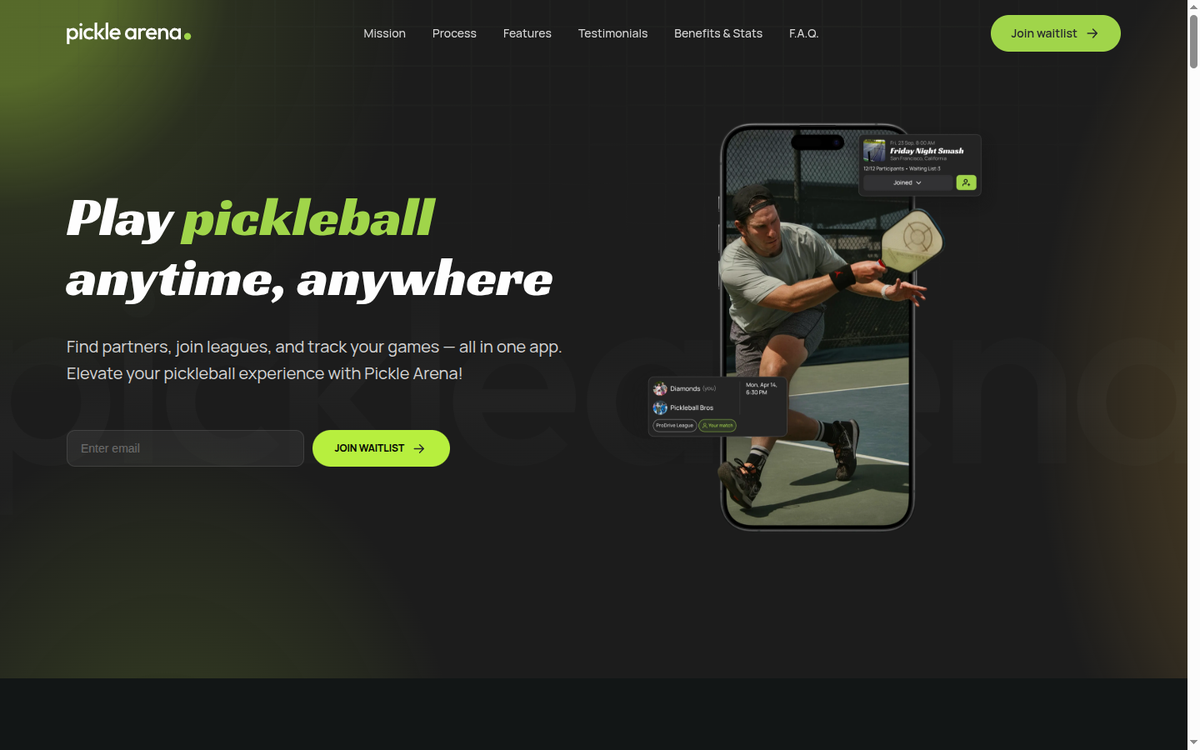
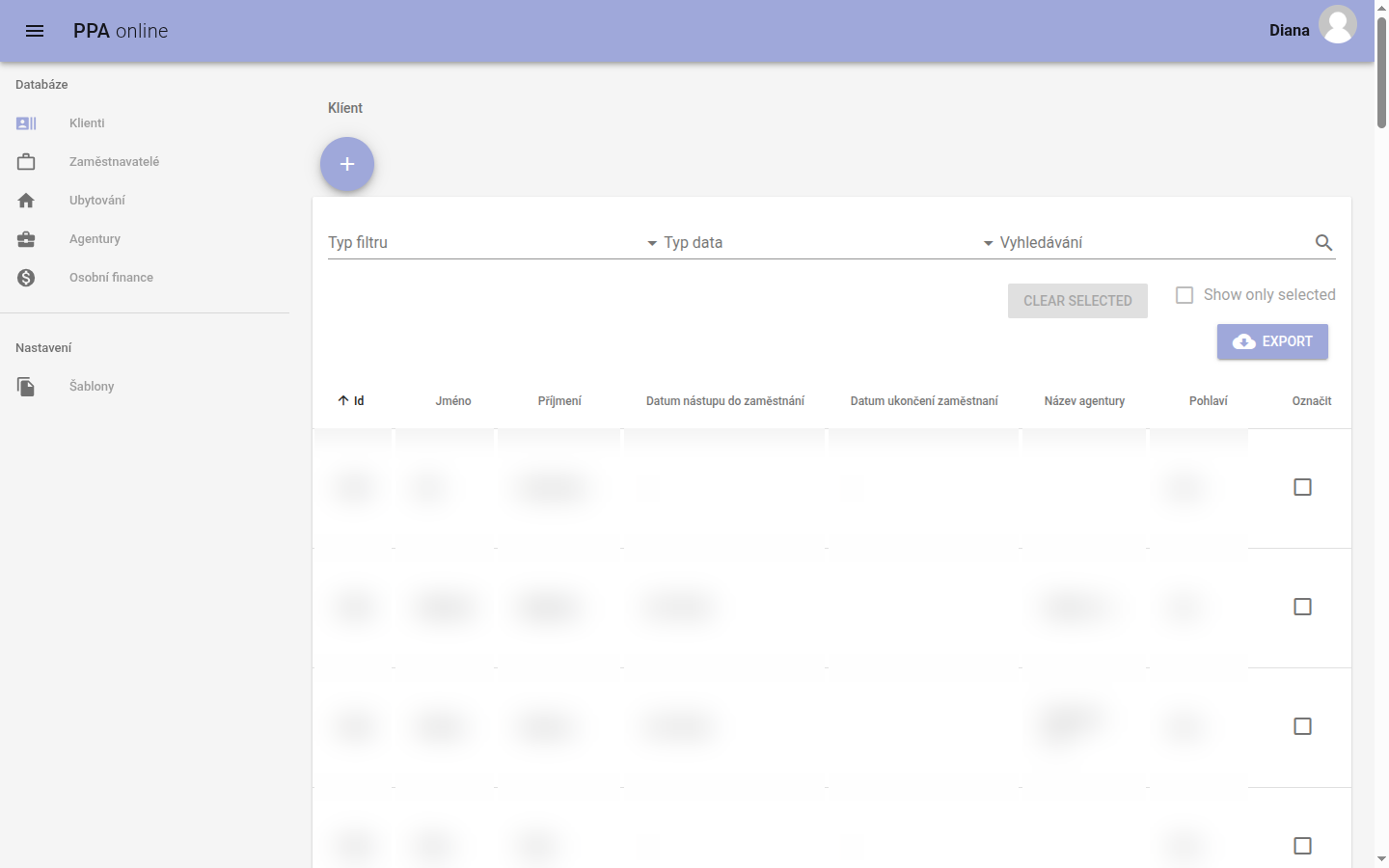

Sharing our knowledges
Meet the talented individuals who drive our company's success with their dedication, expertise, and passion for innovation
Why is UX so important?
User experience is often misunderstood as something purely visual — layout, colors, typography. But UX goes much deeper than appearance. It defines how people interact with digital products, how easily they achieve their goals, and how they feel during that process. Good UX does not draw attention to itself. It simply works.
Everything about SEO you need to know
User experience is often misunderstood as something purely visual — layout, colors, typography. But UX goes much deeper than appearance. It defines how people interact with digital products, how easily they achieve their goals, and how they feel during that process. Good UX does not draw attention to itself. It simply works.
Designing for performance
User experience is often misunderstood as something purely visual — layout, colors, typography. But UX goes much deeper than appearance. It defines how people interact with digital products, how easily they achieve their goals, and how they feel during that process. Good UX does not draw attention to itself. It simply works.
How AI is changing everyday workflows
User experience is often misunderstood as something purely visual — layout, colors, typography. But UX goes much deeper than appearance. It defines how people interact with digital products, how easily they achieve their goals, and how they feel during that process. Good UX does not draw attention to itself. It simply works.
Building web platforms that scale
User experience is often misunderstood as something purely visual — layout, colors, typography. But UX goes much deeper than appearance. It defines how people interact with digital products, how easily they achieve their goals, and how they feel during that process. Good UX does not draw attention to itself. It simply works.
Why cybersecurity can't be an afterthought
User experience is often misunderstood as something purely visual — layout, colors, typography. But UX goes much deeper than appearance. It defines how people interact with digital products, how easily they achieve their goals, and how they feel during that process. Good UX does not draw attention to itself. It simply works.